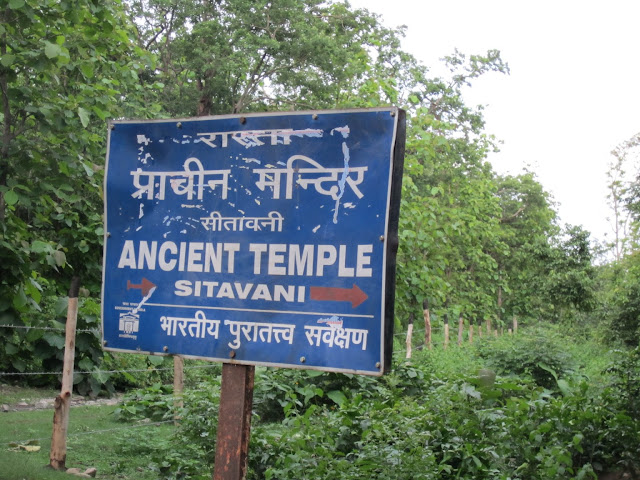
Image source: corbettinfo.com
In the verdant heart of the Corbett Tiger Reserve, amidst the whispers of ancient trees and the melodies of exotic birds, lies the mystical Sitabani Temple. This sacred site, nestled in the Sitabani Safari Zone of Jim Corbett National Park in Uttarakhand, India, weaves a captivating tale of spirituality, history, and wilderness. Dedicated to Goddess Sita, wife of Lord Rama, the temple is a living testament to the enduring legends of the Ramayana. As you step into this mystical realm, the serene ambiance envelops you, blending devotion with the raw beauty of nature.
Sitabani Temple holds profound significance in Hindu mythology. It’s believed that Goddess Sita stayed here during her exile, and this very place witnessed the birth of her twin sons, Luv and Kush, in the revered Valmiki Ashram. Pilgrims and travelers flock to this temple to seek blessings and immerse themselves in the spiritual history that permeates the region. The temple’s location within the Sitabani Safari Zone, part of the illustrious Jim Corbett National Park, sets it apart. Surrounded by dense forests teeming with diverse flora and fauna, the temple offers a unique fusion of pilgrimage and wildlife safari. Visitors can partake in prayers amidst tranquil surroundings while nature enthusiasts can embark on thrilling safaris to explore the Corbett Tiger Reserve.

Image source: ASI Dehradun
Image source: hindutemples-India.blogspot
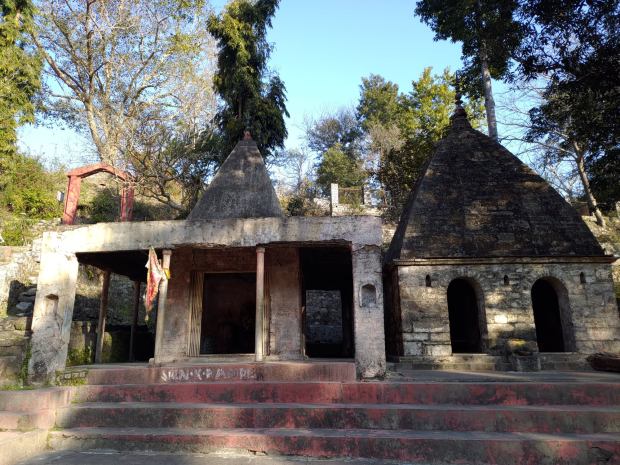
The journey to Sitabani Temple is as enchanting as the destination itself. As you proceed through the buffer jungles of Jim Corbett, the dense forest envelops you in its wilderness, filled with the sounds of birdsong and rustling leaves. The temple, shrouded in history and isolation, is maintained by a lone priest living amidst the dense forest, adding to its authentic spiritual narrative. The architecture reflects its ancient roots, with idols of Luv and Kush adorning the sanctum alongside a Shivling. Three flowing channels and an iconic pond enhance the mystical ambiance, with warm water springs adding to the unique experience.
Sitabani Temple plays a role in promoting wildlife conservation awareness among visitors. Temple authorities conduct events and discussions on preserving the natural habitat. Surrounded by a wildlife sanctuary, visitors may encounter deer, elephants, leopards, and potentially the majestic Bengal tiger. The area is also home to various Himalayan animal species during cold months.
The location of Sitabani Temple is approximately 20 kilometers from Ramnagar, the gateway to Jim Corbett National Park. The best time to visit is from November to June for pleasant weather and frequent wildlife sightings. Entry requires permits and fees from the Sitabani Forest Department. Jeep safaris and birdwatching opportunities abound in this sanctuary, part of the Trans-Himalayan Birding Corridor.
In essence, Sitabani Temple is a harmonious blend of spirituality and nature, beckoning those seeking divine blessings and wildlife enthusiasts alike. This destination truly offers the best of both worlds, embedded in the rich tapestry of the Ramayana and the wilderness of Corbett.

Image source: hindutemples-India.blogspot
 Offbeat Uttarakhand