Explore Karkotak Temple Trek in Nainital: Scenic Trails & Local Legends

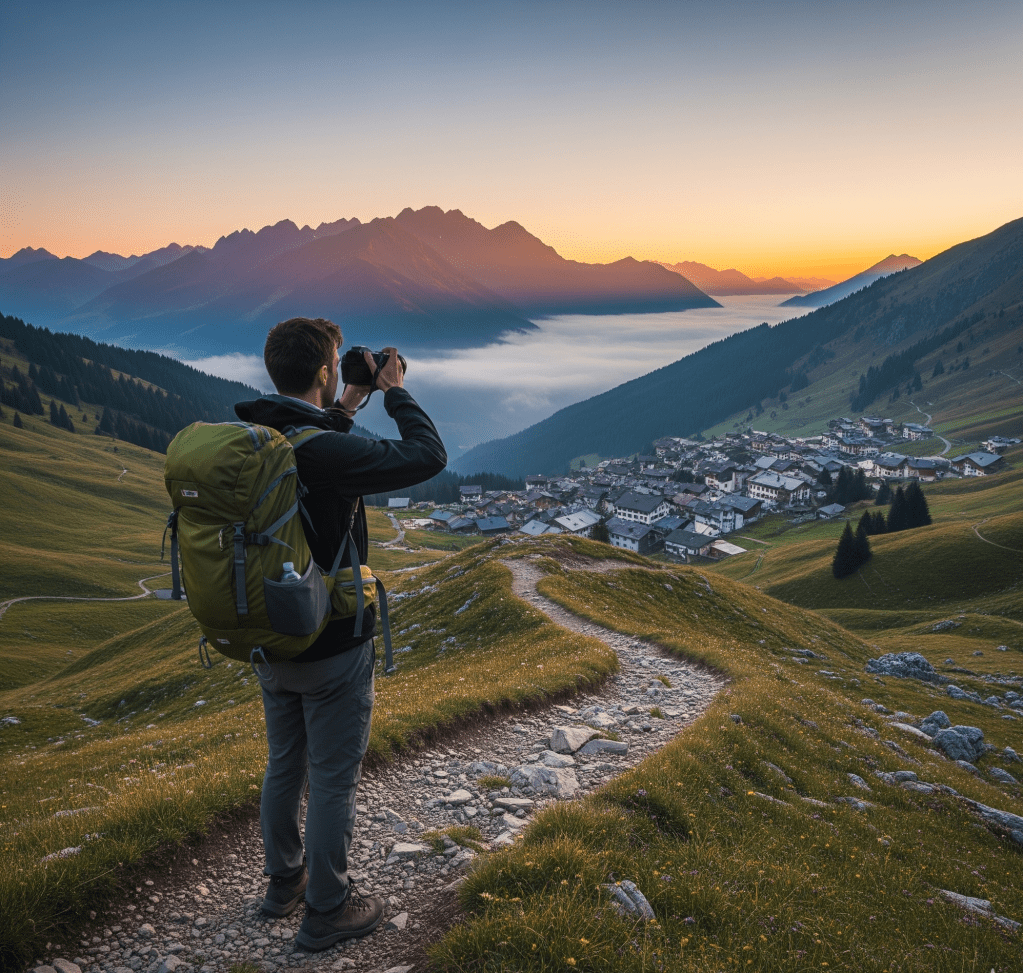
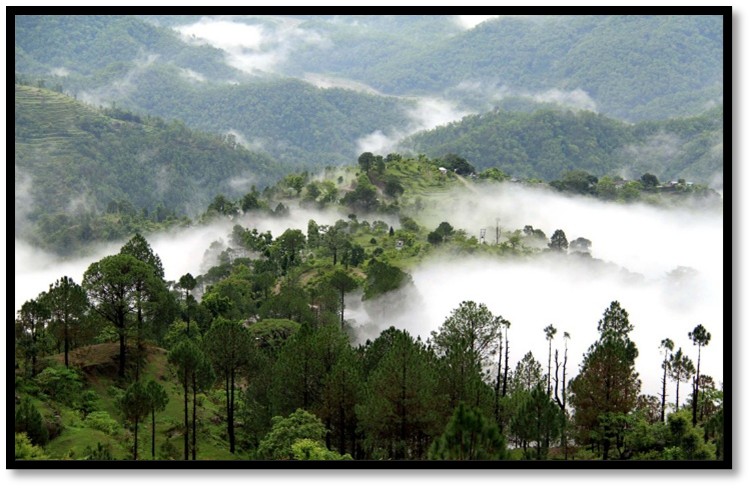
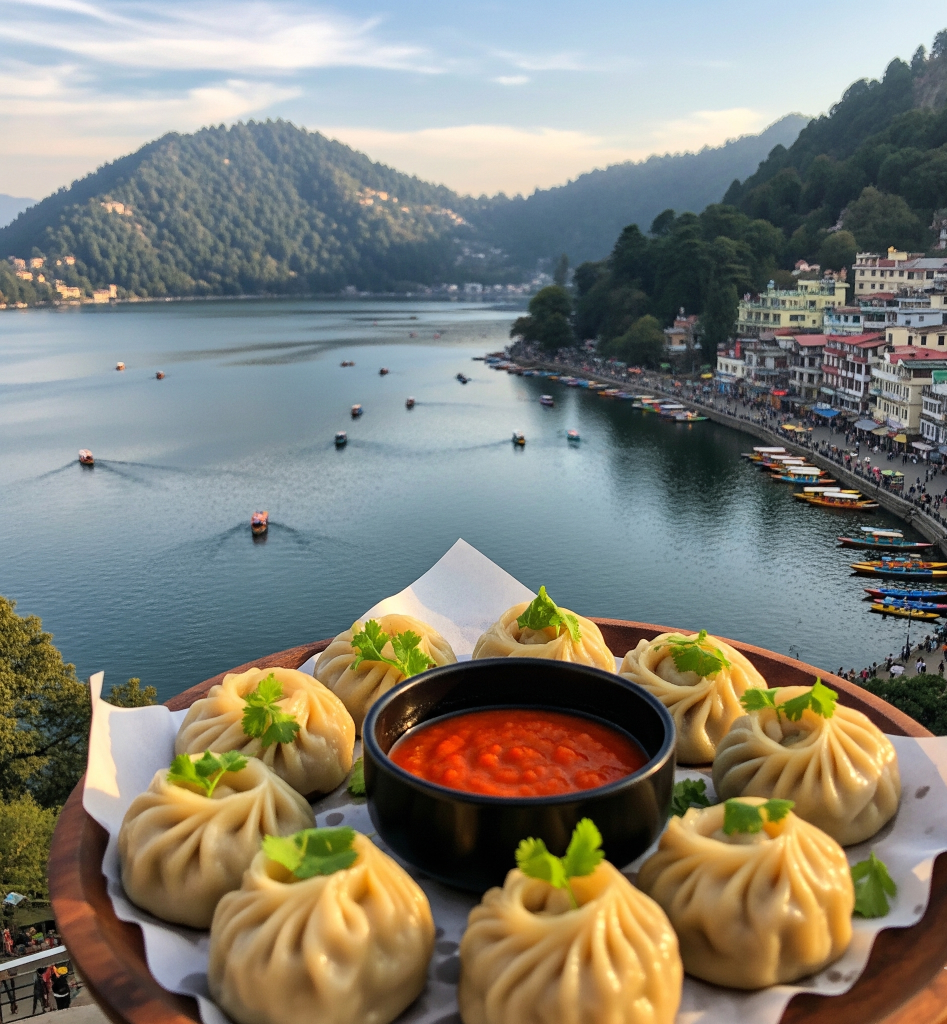
Representational Image (Gemini Generated)

If you think Nainital is just about boating on the lake and eating hot momos on Mall Road, let me spill some pahadi chai for you—there’s a secret trek that will steal your heart: Karkotak Temple Trek.

The trek begins just a short drive from Nainital town, making it the perfect escape from the touristy buzz. The path is surrounded by dense forests, chirping birds, and occasional panoramic views of the Himalayan peaks peeking through the clouds. And guess what? This trail isn’t just about the scenery—it has a story too! The Karkotak Temple is dedicated to Karkotak Naag, a revered serpent deity in Hindu mythology. Locals believe the deity protects the region, and you can feel the spiritual vibe as soon as you step inside the temple courtyard.

Image Source: Hitesh Joshi YouTube Channel

Walking here is not too challenging—perfect for beginners or anyone who wants a peaceful mountain walk. The air smells of pine and wildflowers, and you’ll find yourself humming a Bollywood track without even realizing it. Once you reach the temple, the view is spectacular—rolling valleys and glittering Nainital Lake far below. It’s the kind of place where you’ll want to click 100 photos (and maybe a dramatic hair flip video for Instagram Reels!).

For those who love local culture, talk to the villagers around—they’ll happily share legends and stories about Karkotak Naag. You might even be offered a cup of pahadi chai or fresh fruit from a nearby orchard. The best part? This trek is still under the radar, so you won’t have to elbow your way through crowds—just you, nature, and maybe a cow or two.
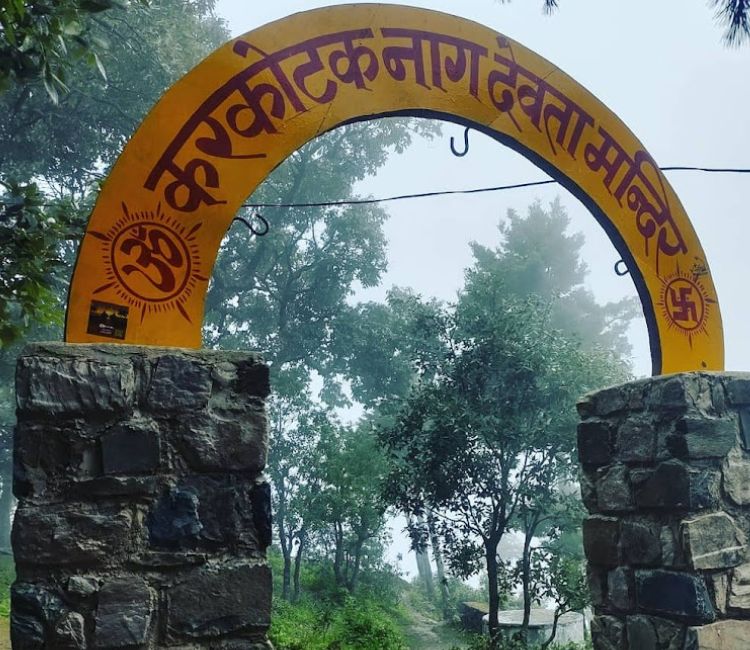
Image source: chirpinghillresort.com

So next time you’re in Nainital, skip the usual checklist and make your way to Karkotak Temple Trek. Trust me, it’s an experience that blends nature, spirituality, and a touch of filmy drama.


🌟 Quick Travel Tips for Karkotak Temple Trek

  • Best Time to Visit: March to June and September to November for pleasant weather.
  • Trek Duration: Around 2–3 hours, depending on your pace.
  • Footwear: Good walking shoes—leave the fancy heels for your Insta pics later!
  • Carry: Water, light snacks, sunscreen, and a camera.
  • How to Reach: Take a taxi or drive to the base point from Nainital town (approx. 5–6 km).
  • Local Etiquette: Respect the temple space and keep the trail clean.

FAQs about Karkotak Temple Trek, Nainital

  1. Is the trek suitable for beginners?
    Yes! It’s an easy to moderate trek, perfect even if you’re not a seasoned hiker.
  2. Is there an entry fee for Karkotak Temple?
    Nope, it’s completely free.
  3. Are guides available for the trek?
    Not usually needed, but locals can guide you if you’re unsure of the route.
  4. Can I visit during monsoon?
    It’s possible but not recommended—trails can get slippery.
  5. Are there food stalls on the way?
    Not on the trail, so carry some snacks and water.
  6. Is photography allowed at the temple?
    Yes, but be mindful of devotees and the sanctity of the place.

Pack your bags, channel your inner Bollywood star, and let Karkotak Temple Trek give you a memory you’ll never forget!
Experience India’s Sun Rise Festival in Arunachal Pradesh

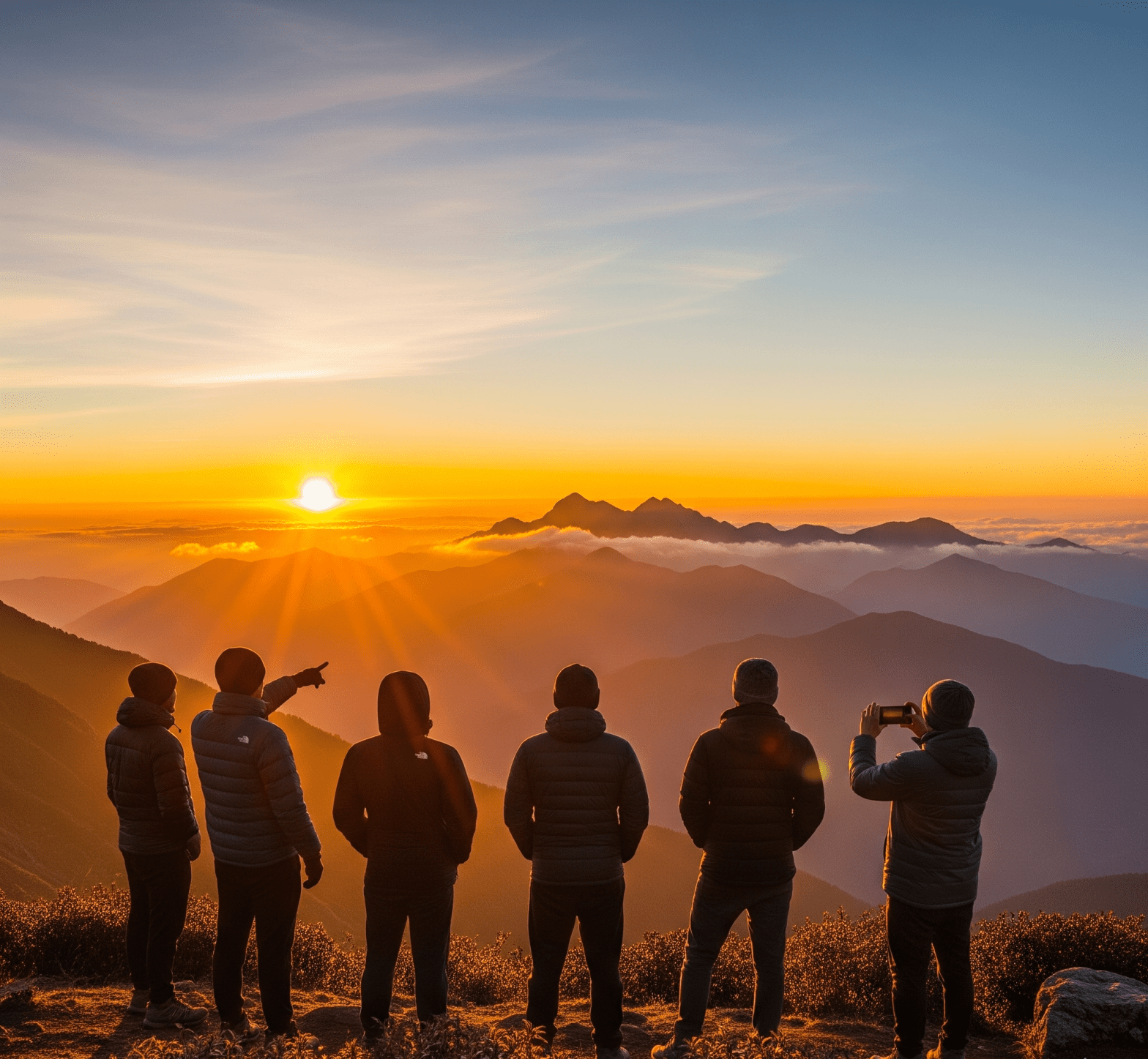
Representational Image (Photo credit: Gemini Generated)

Wake up, sunshine chasers! If you want to start your year in a totally unique way—think Himalayan vibes, tribal beats, and the thrill of witnessing India’s first rays of dawn—then Arunachal Pradesh’s brand-new Sun Rise Festival is your ticket to magic.

This five-day festival is kicking off from December 29, 2025, to January 2, 2026, in Dong village, perched at about 1,240 meters in the Anjaw district—literally the easternmost living point in India . Imagine being one of the very first folks in the country to catch sight of the New Year sun… how epic is that?

What Makes It So Special?

Sunrise Treks: You’ll rise way before dawn for a guided 2–3 km walk up misty trails. At the top, expect jaw-dropping pastel skies as the sun peeks over the eastern horizon .

Image source: Britannica.com

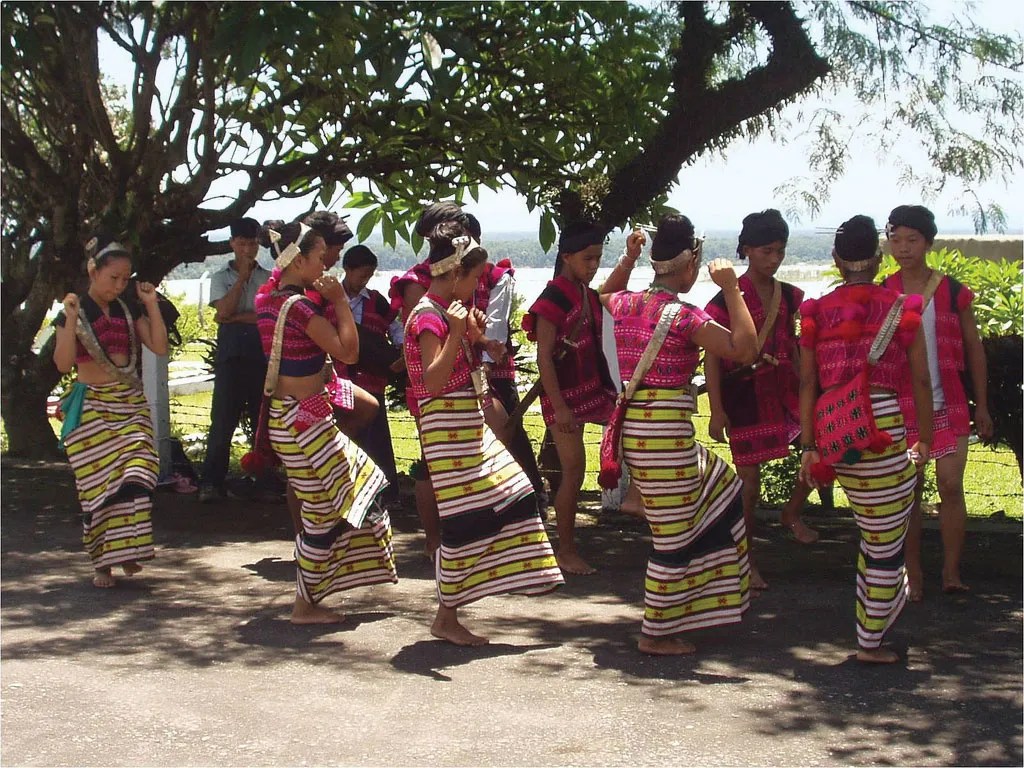
Cultural Beats: Evening programs light up with tribal music and dances from the Mishmi and Adi communities – think vibrant costumes, rhythmic drums, and heart-warming stories through movement .

Local Flavours: Gorge on local delights like thukpa, bamboo-shoot curry, lukter (yep, dried meat with chili!), and sip apong (fermented rice beer) served in bamboo cups. Comfort food with a mountain twist!

Image source: teertoday.in

Arts & Crafts Bazaar: Shop for handwoven shawls, bamboo baskets, tribal jewelry, and wild-foraged pickles—many crafted by women’s cooperatives. Stylish keepsakes and eco-friendly vibes!

Adventure & Eco-Tourism: Try forest walks, birdwatching, stargazing, river strolls, and camping under a clear Himalayan sky. Bonus: you’ll get smart tips on eco-friendly travel from locals .

Getting There: The Road to Dawn

AI Generated Image
  1. By Air: Fly into Tezu Airport (~120 km away) or Dibrugarh (~360 km). Tezu is closer and connected via regional UDAN flights.
  2. By Train: Nearest major station is Tinsukia (~310 km away). From there, take a taxi or bus toward Tezu/Roing, and then drive to Walong or Dong.
  3. By Road: Scenic winding roads along the Lohit River lead to Walong; from there, just 7 km to Dong—either by foot suspension bridge or a short drive (depending on local road conditions).
  4. Permits Needed:

Indian nationals—apply for an Inner Line Permit (ILP) online via Arunachal’s portal.

Foreigner travelers—must get a Protected Area Permit (PAP) through a registered tour operator.

Tip: Apply at least two weeks before your trip—peak season will fill up fast!

Why You Can’t Miss It

Where else can you greet the first New Year sunrise, groove to tribal music, camp under Himalayan stars, taste legit mountain food, and support community artisans—all in one getaway? If your heart’s craving something new, peaceful, and cultural—this is it.


Quick Tips for Travel Enthusiasts

Book early—flights and homestays will sell out fast around New Year.

Pack warm layers—even winter days up there are brisk, and nights chilly.

Carry power banks—mobile signal and electricity are patchy in Dong.

Download maps offline—you won’t always have reliable GPS or data.

Respect the culture—ask before taking photos of people or rituals.

Eco mindset—bring your own water bottle, avoid plastic, and follow waste rules.

Local bookings—tour operators often bundle permits, trekking guides, food, and stays—makes things easier and supports local businesses.


6 Frequently Asked Questions (FAQ)

  1. When and where is the Sun Rise Festival held?
    It’s from December 29, 2025, to January 2, 2026 in Dong village, Anjaw district — India’s easternmost point to see the first sunrise.
  2. Why is Dong the place to be?
    At 1,240 m above sea-level, Dong sees India’s earliest sunrays — making it an iconic spot for a dawn-lover’s festival.
  3. What activities are on offer?
    Expect sunrise treks, traditional tribal performances, local mountain cuisine, handicraft markets, adventure camping, birdwatching, star-gazing, and eco-workshops.
  4. How do I get there?
    Fly into Tezu or Dibrugarh—Tezu is closer. Alternatively, come by train to Tinsukia and proceed by road. From Walong, hike or drive to Dong.
  5. Do I need permits?
    Yes. Indians require an ILP, and foreigners need a PAP via a tour operator. Apply at least two weeks in advance.
  6. What should I pack and expect?
    Bring warm clothes, power banks, offline maps, modest attire (for respect), and eco-friendly gear. Be ready for limited connectivity and rustic comforts.

Representational Image

Ready to chase the dawn in a mountain village like no other? Pack your curiosity, your camera, and your warmest socks—Dong and the Sun Rise Festival await!

Best Winter Destinations in India Beyond Manali & Nainital

Winter in India hits different—think misty mornings, endless cups of chai, and bonfire nights under a star-sprinkled sky. While Manali and Nainital are great, why not skip the usual crowd this season and head to some lesser-known winter gems? Pack your warm layers, sturdy boots, and a camera because these destinations are all set to turn your winter blues into wanderlust.

1. Gangtok, Sikkim – A Snowy Wonderland in the East

Gangtok, tucked away in the Eastern Himalayas, becomes a magical winter wonderland. With snowflakes covering the streets and stunning views of Kanchenjunga, it’s a dream for snow lovers.

Highlights include:

• Snowy scenes without the tourist crowds.

• Scenic cable car rides.

• Peaceful visits to monasteries like Rumtek.

• Fun winter festivals featuring Sikkimese culture and food.

Quick Tip: Pack extra warm layers and add some buffer days to your itinerary – snow can delay travel, but the views are definitely worth it!

2. Rann of Kutch, Gujarat – White Desert Under Starlight

Image courtesy: tripadvisor.in

Summers are scorching, but winters turn the Rann into a surreal destination. The Rann Utsav (October-March) brings the salt desert alive with music, dance, art, and desert camping.

Highlights:

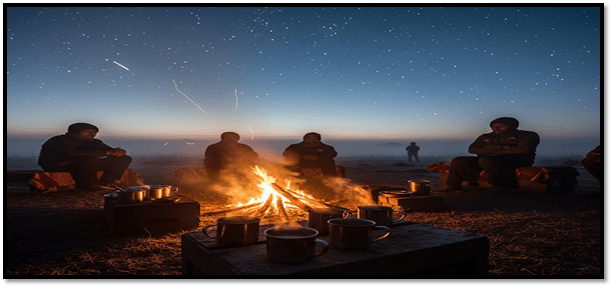
• Camping under a starlit sky in the world’s largest salt desert.

• Folk performances, traditional food, and handicrafts at Rann Utsav.

• Witnessing the full moon over the white expanse – pure magic!

Quick tip: Book tents well in advance, as accommodations sell out quickly during the festival.

3. Lansdowne, Uttarakhand – A Peaceful Mountain Escape

Image courtesy:blogspot.com

Lansdowne is Uttarakhand’s hidden winter gem, offering tranquillity away from tourist crowds. This charming cantonment town features:

– Scenic winter treks through snow-dusted pine forests

– Birdwatching for migratory species

– Quaint colonial-era churches and viewpoints like Tip-in-Top

Quick tip: Lansdowne is less commercialized, so pack essentials and enjoy a peaceful getaway.

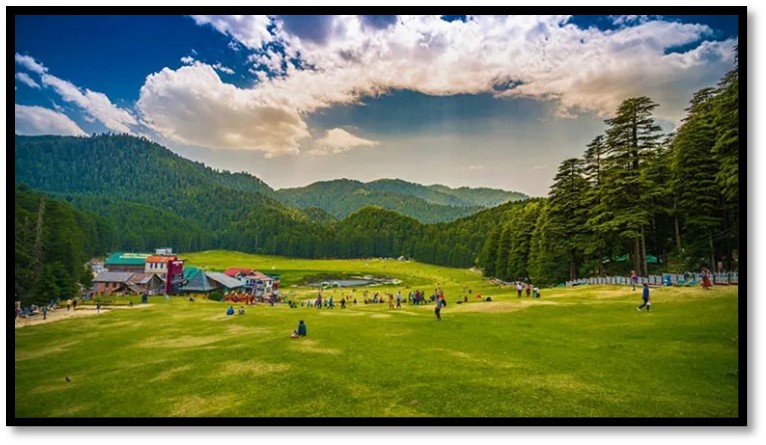
4. Khajjiar, Himachal Pradesh – India’s Mini Switzerland

Image courtesy: himtimes.com

When it snows in Khajjiar, the meadows resemble a European landscape. Located between Dalhousie and Chamba, this spot offers Swiss-like beauty in India.

Highlights:

• Snowy meadows and cedar forests.

• Adventure sports like paragliding (weather permitting).

• Winter picnics by the frozen Khajjiar Lake.

Quick tip: Check road conditions before driving, as they can be slippery during peak snowfall.

5. Jim Corbett National Park, Uttarakhand – Winter Wildlife Thrills

Image courtesy: tigersafariindia.com

Corbett is a fantastic winter destination, offering crisp air, golden sunlight, and great wildlife sightings, especially tigers.

Key highlights:

• Jeep safaris to spot tigers, elephants, and deer.

• Birdwatching with migratory species.

• Riverside stays with cozy bonfires.

Quick tip: Book your safaris in advance, as winter slots fill up quickly.

6. Northeast India – Culture, Snow & Warm Smiles

Northeast India is an underrated winter destination, offering stunning landscapes and vibrant culture. Highlights include:

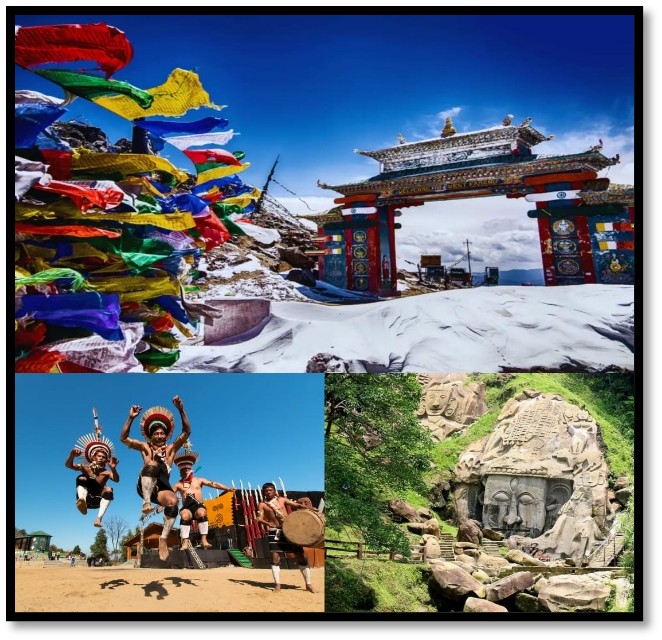
  • Hornbill Festival in Nagaland – a showcase of tribal traditions.
  • Snowy adventures in Tawang, Arunachal Pradesh.
  • Lush waterfalls in Meghalaya at their peak flow.
  • Unakoti is going to surprise you.
  • Warm hospitality and local cuisines.

Quick tip: Remember to obtain Inner Line Permits (ILPs) for states like Arunachal before your visit.

So, Why Settle for Ordinary Winters?

India’s winters aren’t just about snow in Shimla or Mall Road strolls in Nainital. From desert camping under the moonlit skies of Kutch to chasing snowflakes in Gangtok, unwinding in Lansdowne, or spotting tigers in Corbett, each of these destinations has a unique winter story waiting for you.

FAQs

1. Which are the best winter destinations in India apart from Manali and Nainital?
Gangtok, Rann of Kutch, Khajjiar, Lansdowne, Jim Corbett National Park, and the Northeast (like Tawang or Nagaland) are some unique alternatives.

2. Where can I experience snow in India during winter?
You can experience snow in Khajjiar (Himachal), Gangtok (Sikkim), Tawang (Arunachal Pradesh), and other parts of Northeast India during peak winter.

3. What are the best winter festivals to attend in India?
Rann Utsav in Gujarat and Hornbill Festival in Nagaland are must-visit cultural experiences during winter.

4. Can I do desert camping in winter in India?
Absolutely! The Rann of Kutch offers the magical experience of desert camping during the Rann Utsav, under starry skies and moonlit salt flats.

5. Do I need special permits for winter travel in Northeast India?
Yes, Inner Line Permits (ILPs) are required for states like Arunachal Pradesh, Nagaland, and Mizoram. You can apply online or get them easily at designated counters.

Exploring the Enchanting Sitabani Temple in Jim Corbett

The serene Sitabani Temple, located in the heart of Jim Corbett National Park, symbolizes the blend of spirituality and nature.
Image source: corbettinfo.com

In the verdant heart of the Corbett Tiger Reserve, amidst the whispers of ancient trees and the melodies of exotic birds, lies the mystical Sitabani Temple. This sacred site, nestled in the Sitabani Safari Zone of Jim Corbett National Park in Uttarakhand, India, weaves a captivating tale of spirituality, history, and wilderness. Dedicated to Goddess Sita, wife of Lord Rama, the temple is a living testament to the enduring legends of the Ramayana. As you step into this mystical realm, the serene ambiance envelops you, blending devotion with the raw beauty of nature.

Sitabani Temple holds profound significance in Hindu mythology. It’s believed that Goddess Sita stayed here during her exile, and this very place witnessed the birth of her twin sons, Luv and Kush, in the revered Valmiki Ashram. Pilgrims and travelers flock to this temple to seek blessings and immerse themselves in the spiritual history that permeates the region. The temple’s location within the Sitabani Safari Zone, part of the illustrious Jim Corbett National Park, sets it apart. Surrounded by dense forests teeming with diverse flora and fauna, the temple offers a unique fusion of pilgrimage and wildlife safari. Visitors can partake in prayers amidst tranquil surroundings while nature enthusiasts can embark on thrilling safaris to explore the Corbett Tiger Reserve.

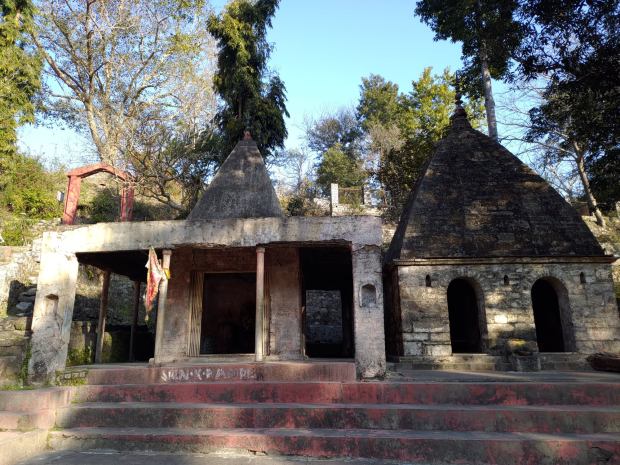
Old temple in Ramnagar, Uttarakhand, dedicated to Goddess Sita, showcasing traditional architecture amidst lush surroundings.
Image source: ASI Dehradun
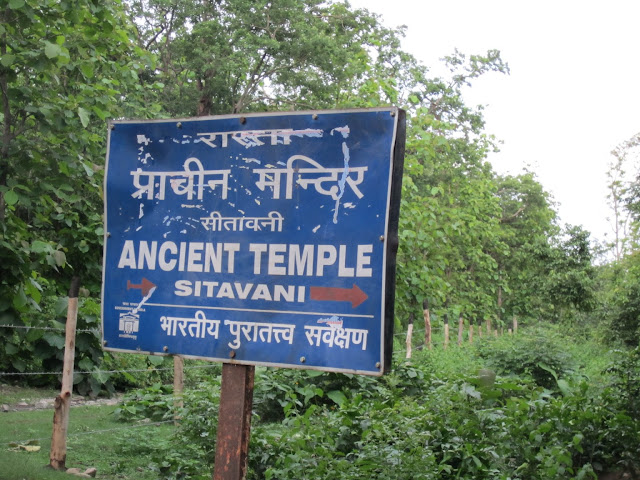
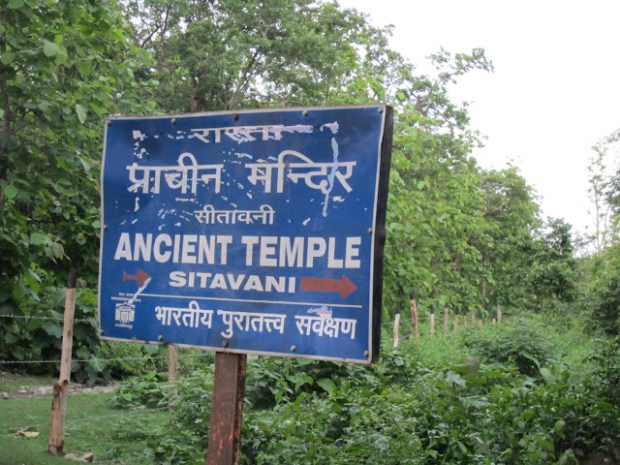
A weathered blue sign pointing to the Ancient Temple of Sitabani, surrounded by lush green vegetation in Jim Corbett National Park, India.
Signpost leading to the ancient Sitabani Temple, nestled in the lush forests of Jim Corbett National Park.
Image source: hindutemples-India.blogspot

The journey to Sitabani Temple is as enchanting as the destination itself. As you proceed through the buffer jungles of Jim Corbett, the dense forest envelops you in its wilderness, filled with the sounds of birdsong and rustling leaves. The temple, shrouded in history and isolation, is maintained by a lone priest living amidst the dense forest, adding to its authentic spiritual narrative. The architecture reflects its ancient roots, with idols of Luv and Kush adorning the sanctum alongside a Shivling. Three flowing channels and an iconic pond enhance the mystical ambiance, with warm water springs adding to the unique experience.

Sitabani Temple plays a role in promoting wildlife conservation awareness among visitors. Temple authorities conduct events and discussions on preserving the natural habitat. Surrounded by a wildlife sanctuary, visitors may encounter deer, elephants, leopards, and potentially the majestic Bengal tiger. The area is also home to various Himalayan animal species during cold months.

The location of Sitabani Temple is approximately 20 kilometers from Ramnagar, the gateway to Jim Corbett National Park. The best time to visit is from November to June for pleasant weather and frequent wildlife sightings. Entry requires permits and fees from the Sitabani Forest Department. Jeep safaris and birdwatching opportunities abound in this sanctuary, part of the Trans-Himalayan Birding Corridor.

In essence, Sitabani Temple is a harmonious blend of spirituality and nature, beckoning those seeking divine blessings and wildlife enthusiasts alike. This destination truly offers the best of both worlds, embedded in the rich tapestry of the Ramayana and the wilderness of Corbett.

A serene pond surrounded by lush greenery near Sitabani Temple in Jim Corbett National Park, India.
Image source: hindutemples-India.blogspot

Explore Vairatpattan: A Hidden Gem in Nainital

Tucked away in the picturesque Corbett City Ramnagar in Nainital district, Uttarakhand, lies the ancient city of Vairatpattan, also known as Viratnagar. Situated on the banks of the Kosi River, this historical site is a treasure trove of ancient ruins, myths, and legends. As we delve into the history of Vairatpattan, we’ll also explore its significance, architectural remnants, and the surrounding natural beauty, making it an ideal destination for history buffs and travel enthusiasts alike.

Sign marking the ancient ruins of Vairatpattan, surrounded by lush greenery in Uttarakhand.

Vairatpattan is believed to have been the capital of the ancient Govisana kingdom, a fact attested to by numerous scholars. The site gained prominence with the visit of the renowned Chinese pilgrim, Hieun Tsang, in the 7th century. This ancient city was also the winter capital of the Katyuri kingdom, according to historical records. The region was initially under the control of the Kuru dynasty, which operated with the permission of the ancient Indraprastal kingdom, present-day Delhi.

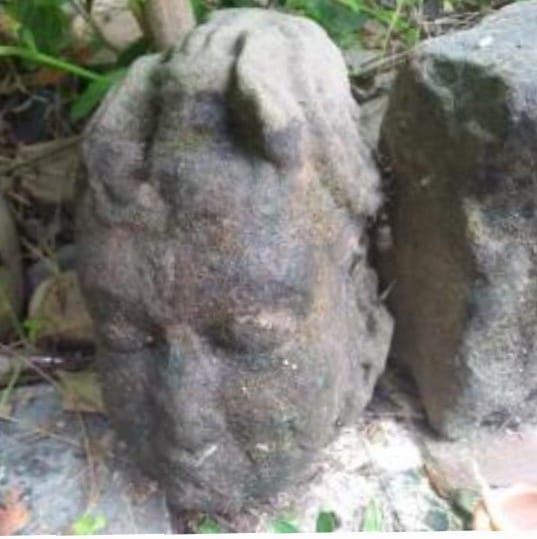
As per mythological accounts, Vairatpattan was a refuge for the Pandavas, who allegedly lived incognito in the region for a year during their exile. This mythological connection adds to the site’s historical and cultural significance. The city’s ancient name, Brahmapura, is derived from the deity Brahma, and the discovery of a bearded figure, likely Brahma, during excavations reinforces this claim.

Systematic excavations at Vairatpattan have unearthed remains of ancient monuments, temple structures, and intricately carved capitals, pillars, and medallions with Buddhist motifs. Some of the recovered artifacts were reused as architectural motifs for arches, pillars, and mantelpieces. The pillars feature foliated motifs, separated by sculptures of birds and lions. A plateau above the site boasts an ancient well, serviced by a system of canals. These findings attest to the site’s importance in history and highlight its well-planned and developed ancient infrastructure.

Ancient stone artifacts and architectural remnants from Vairatpattan, showcasing intricate carvings and historical significance.

The site is presently surrounded by a dense forest, home to tree species like sal, saj, kusum, harad, baheda, and amala. The area is also inhabited by wild elephants and Bengal tigers, making it a paradise for wildlife enthusiasts and nature lovers. The surrounding landscape offers breathtaking views of the Himalayas, making Vairatpattan an ideal destination for trekking and hiking enthusiasts.

As we explore the remnants of Vairatpattan, we’re reminded of the region’s rich cultural heritage. The site serves as a testament to the advanced architectural skills and artistic prowess of the ancient civilizations that once flourished here. Whether you’re a history buff, a travel enthusiast, or simply someone who appreciates the beauty of nature, Vairatpattan is a destination that’s sure to captivate and inspire.

Ancient stone head sculpture believed to represent a deity at Vairatpattan, showcasing the region’s rich historical and mythological heritage.

For those planning to visit Vairatpattan, the best time to explore the site is between October and March, when the weather is pleasant and ideal for trekking and sightseeing. The nearest city is Ramnagar, which offers a range of accommodation options, from budget-friendly hotels to luxury resorts. Regular bus services and taxi rentals are available from Ramnagar, making it easily accessible. However, visitors are advised to be cautious of wild animals and maintain a safe distance.

In conclusion, Vairatpattan is an ancient city that offers a unique blend of history, mythology, and natural beauty. As we uncover its secrets and explore its remnants, we’re reminded of the region’s rich cultural heritage. So, If you’re planning a trip to Corbett National Park, Vairatpattan is a must-visit site. Located just 6 km from Corbett city, this ancient city offers a unique blend of history, mythology, and natural beauty that’s sure to captivate and inspire. Take a detour from your wildlife safari and explore the remnants of Vairatpattan. Discover the ancient secrets that lie hidden in this picturesque corner of Uttarakhand.

Continue reading “Explore Vairatpattan: A Hidden Gem in Nainital”