Exploring the Enchanting Sitabani Temple in Jim Corbett

The serene Sitabani Temple, located in the heart of Jim Corbett National Park, symbolizes the blend of spirituality and nature.
Image source: corbettinfo.com

In the verdant heart of the Corbett Tiger Reserve, amidst the whispers of ancient trees and the melodies of exotic birds, lies the mystical Sitabani Temple. This sacred site, nestled in the Sitabani Safari Zone of Jim Corbett National Park in Uttarakhand, India, weaves a captivating tale of spirituality, history, and wilderness. Dedicated to Goddess Sita, wife of Lord Rama, the temple is a living testament to the enduring legends of the Ramayana. As you step into this mystical realm, the serene ambiance envelops you, blending devotion with the raw beauty of nature.

Sitabani Temple holds profound significance in Hindu mythology. It’s believed that Goddess Sita stayed here during her exile, and this very place witnessed the birth of her twin sons, Luv and Kush, in the revered Valmiki Ashram. Pilgrims and travelers flock to this temple to seek blessings and immerse themselves in the spiritual history that permeates the region. The temple’s location within the Sitabani Safari Zone, part of the illustrious Jim Corbett National Park, sets it apart. Surrounded by dense forests teeming with diverse flora and fauna, the temple offers a unique fusion of pilgrimage and wildlife safari. Visitors can partake in prayers amidst tranquil surroundings while nature enthusiasts can embark on thrilling safaris to explore the Corbett Tiger Reserve.

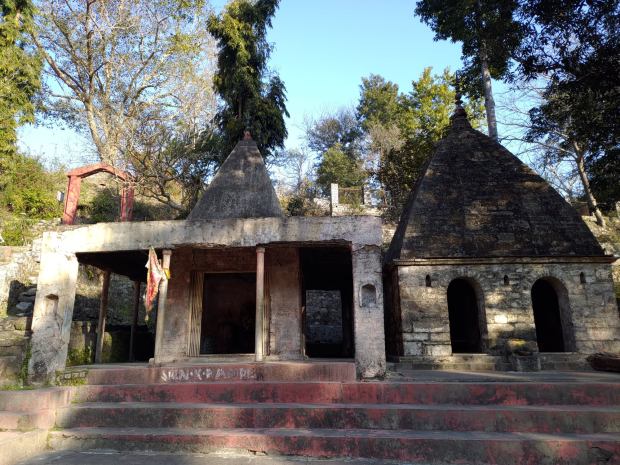
Old temple in Ramnagar, Uttarakhand, dedicated to Goddess Sita, showcasing traditional architecture amidst lush surroundings.
Image source: ASI Dehradun
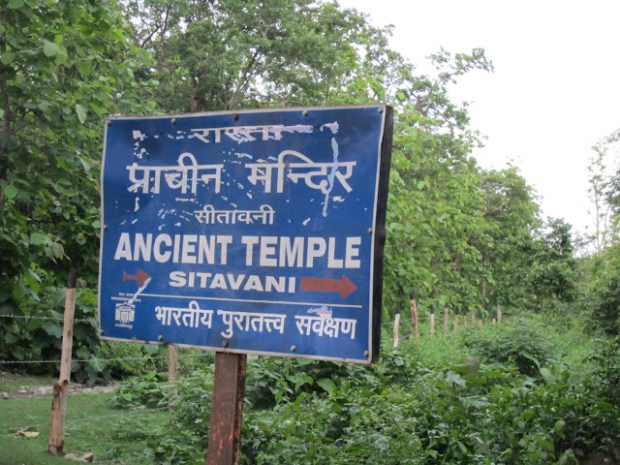
A weathered blue sign pointing to the Ancient Temple of Sitabani, surrounded by lush green vegetation in Jim Corbett National Park, India.
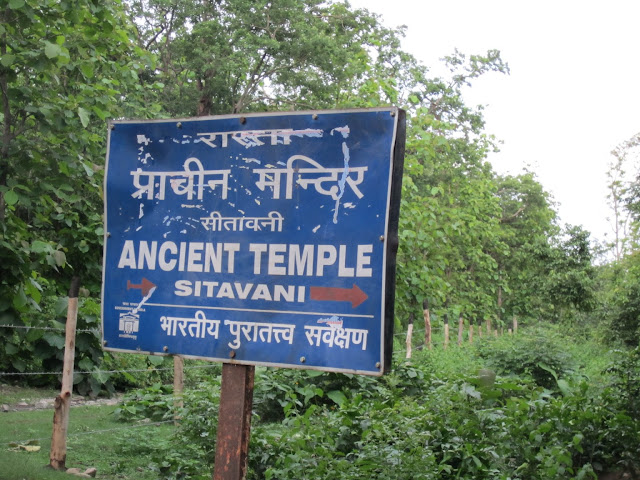
Signpost leading to the ancient Sitabani Temple, nestled in the lush forests of Jim Corbett National Park.
Image source: hindutemples-India.blogspot

The journey to Sitabani Temple is as enchanting as the destination itself. As you proceed through the buffer jungles of Jim Corbett, the dense forest envelops you in its wilderness, filled with the sounds of birdsong and rustling leaves. The temple, shrouded in history and isolation, is maintained by a lone priest living amidst the dense forest, adding to its authentic spiritual narrative. The architecture reflects its ancient roots, with idols of Luv and Kush adorning the sanctum alongside a Shivling. Three flowing channels and an iconic pond enhance the mystical ambiance, with warm water springs adding to the unique experience.

Sitabani Temple plays a role in promoting wildlife conservation awareness among visitors. Temple authorities conduct events and discussions on preserving the natural habitat. Surrounded by a wildlife sanctuary, visitors may encounter deer, elephants, leopards, and potentially the majestic Bengal tiger. The area is also home to various Himalayan animal species during cold months.

The location of Sitabani Temple is approximately 20 kilometers from Ramnagar, the gateway to Jim Corbett National Park. The best time to visit is from November to June for pleasant weather and frequent wildlife sightings. Entry requires permits and fees from the Sitabani Forest Department. Jeep safaris and birdwatching opportunities abound in this sanctuary, part of the Trans-Himalayan Birding Corridor.

In essence, Sitabani Temple is a harmonious blend of spirituality and nature, beckoning those seeking divine blessings and wildlife enthusiasts alike. This destination truly offers the best of both worlds, embedded in the rich tapestry of the Ramayana and the wilderness of Corbett.

A serene pond surrounded by lush greenery near Sitabani Temple in Jim Corbett National Park, India.
Image source: hindutemples-India.blogspot

Explore Vairatpattan: A Hidden Gem in Nainital

Tucked away in the picturesque Corbett City Ramnagar in Nainital district, Uttarakhand, lies the ancient city of Vairatpattan, also known as Viratnagar. Situated on the banks of the Kosi River, this historical site is a treasure trove of ancient ruins, myths, and legends. As we delve into the history of Vairatpattan, we’ll also explore its significance, architectural remnants, and the surrounding natural beauty, making it an ideal destination for history buffs and travel enthusiasts alike.

Sign marking the ancient ruins of Vairatpattan, surrounded by lush greenery in Uttarakhand.

Vairatpattan is believed to have been the capital of the ancient Govisana kingdom, a fact attested to by numerous scholars. The site gained prominence with the visit of the renowned Chinese pilgrim, Hieun Tsang, in the 7th century. This ancient city was also the winter capital of the Katyuri kingdom, according to historical records. The region was initially under the control of the Kuru dynasty, which operated with the permission of the ancient Indraprastal kingdom, present-day Delhi.

As per mythological accounts, Vairatpattan was a refuge for the Pandavas, who allegedly lived incognito in the region for a year during their exile. This mythological connection adds to the site’s historical and cultural significance. The city’s ancient name, Brahmapura, is derived from the deity Brahma, and the discovery of a bearded figure, likely Brahma, during excavations reinforces this claim.

Systematic excavations at Vairatpattan have unearthed remains of ancient monuments, temple structures, and intricately carved capitals, pillars, and medallions with Buddhist motifs. Some of the recovered artifacts were reused as architectural motifs for arches, pillars, and mantelpieces. The pillars feature foliated motifs, separated by sculptures of birds and lions. A plateau above the site boasts an ancient well, serviced by a system of canals. These findings attest to the site’s importance in history and highlight its well-planned and developed ancient infrastructure.

Ancient stone artifacts and architectural remnants from Vairatpattan, showcasing intricate carvings and historical significance.

The site is presently surrounded by a dense forest, home to tree species like sal, saj, kusum, harad, baheda, and amala. The area is also inhabited by wild elephants and Bengal tigers, making it a paradise for wildlife enthusiasts and nature lovers. The surrounding landscape offers breathtaking views of the Himalayas, making Vairatpattan an ideal destination for trekking and hiking enthusiasts.

As we explore the remnants of Vairatpattan, we’re reminded of the region’s rich cultural heritage. The site serves as a testament to the advanced architectural skills and artistic prowess of the ancient civilizations that once flourished here. Whether you’re a history buff, a travel enthusiast, or simply someone who appreciates the beauty of nature, Vairatpattan is a destination that’s sure to captivate and inspire.

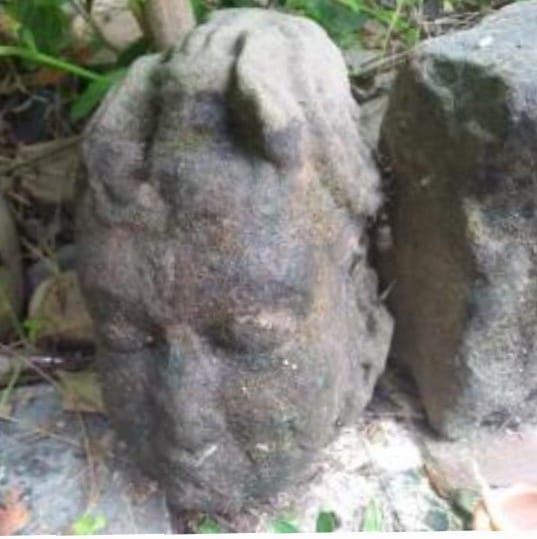
Ancient stone head sculpture believed to represent a deity at Vairatpattan, showcasing the region’s rich historical and mythological heritage.

For those planning to visit Vairatpattan, the best time to explore the site is between October and March, when the weather is pleasant and ideal for trekking and sightseeing. The nearest city is Ramnagar, which offers a range of accommodation options, from budget-friendly hotels to luxury resorts. Regular bus services and taxi rentals are available from Ramnagar, making it easily accessible. However, visitors are advised to be cautious of wild animals and maintain a safe distance.

In conclusion, Vairatpattan is an ancient city that offers a unique blend of history, mythology, and natural beauty. As we uncover its secrets and explore its remnants, we’re reminded of the region’s rich cultural heritage. So, If you’re planning a trip to Corbett National Park, Vairatpattan is a must-visit site. Located just 6 km from Corbett city, this ancient city offers a unique blend of history, mythology, and natural beauty that’s sure to captivate and inspire. Take a detour from your wildlife safari and explore the remnants of Vairatpattan. Discover the ancient secrets that lie hidden in this picturesque corner of Uttarakhand.

Continue reading “Explore Vairatpattan: A Hidden Gem in Nainital”